SMILE Magnetometer
Magnetic field, a fundamental physical quantity in space physics, controls the microscopic motion of charged particles, and regulates the macroscopic evolution of plasma. Magnetic reconnection, through changes in magnetic topology, converts magnetic energy into kinetic energy, which drives space weather processes. The SMILE satellite, combining global imaging and in-situ measurements, observes the response of the Earth's space environment to magnetic reconnection on a macroscopic scale. Simultaneously, it monitors the solar wind driver and the local changes in the Earth's magnetosheath during the reconnection process.
Magnetometer (MAG) is one of the in-situ instruments onboard SMILE. It comprises fluxgate sensors, electronics, and a boom, and is designed to measure the vector magnetic field and its low-frequency fluctuations. Details can be found in the paper ‘The Magnetometer for the Solar Wind Magnetosphere Ionosphere Link Explorer’, recently published by Space Science Reviews. The paper covers the mission's scientific requirements for magnetic field measurements, the instrument's design, development, ground testing, and calibration, as well as plans for inflight calibration. Currently, MAG has completed all ground development, with its performance meeting the mission requirements, as demonstrated by systematic testing.
The development of MAG is led by the State Key Laboratory of Solar Activity and Space Weather at the National Space Science Center, Chinese Academy of Sciences. Joint efforts from the Shanghai Microsatellite Innovation Center, Shanghai Institute of Satellite Engineering, and the European Space Agency Science and Technology Center have contributed to its successful development.
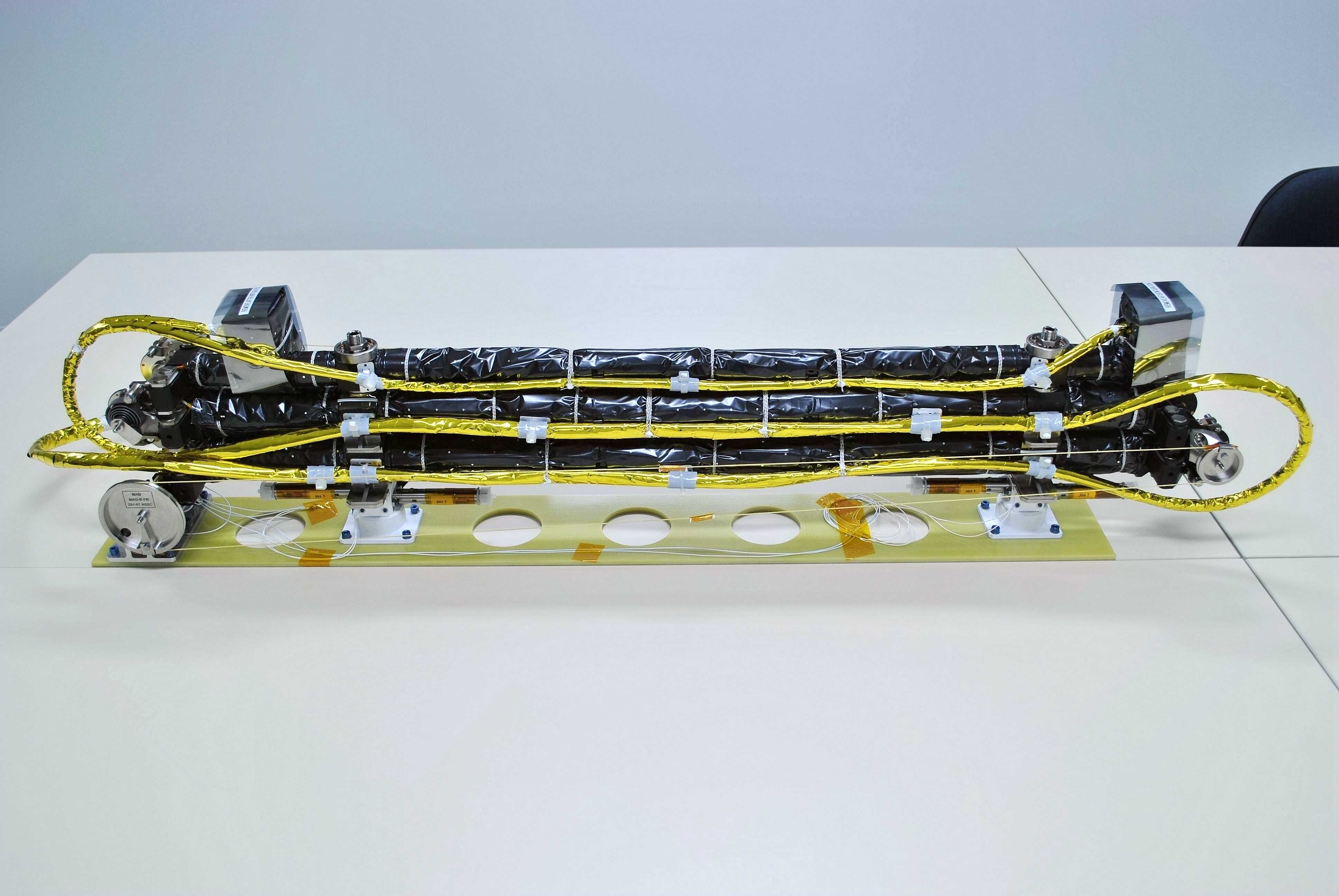
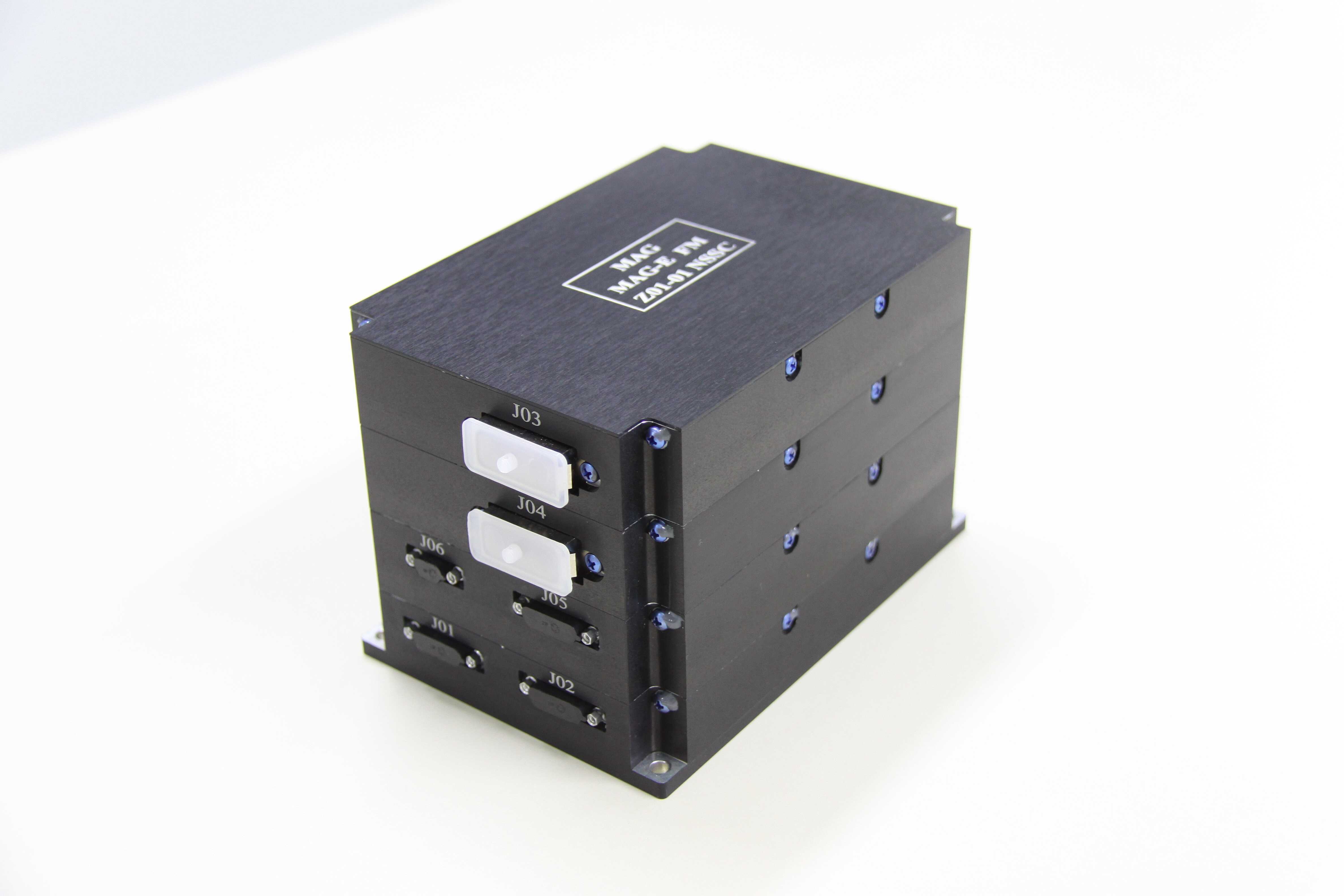
Li, L., Wang, J.D., Song, W. et al. The Magnetometer for the Solar Wind Magnetosphere Ionosphere Link Explorer. Space Sci Rev 221, 114 (2025). https://doi.org/10.1007/s11214-025-01236-9